EU-Sponsoring
What is the problem?
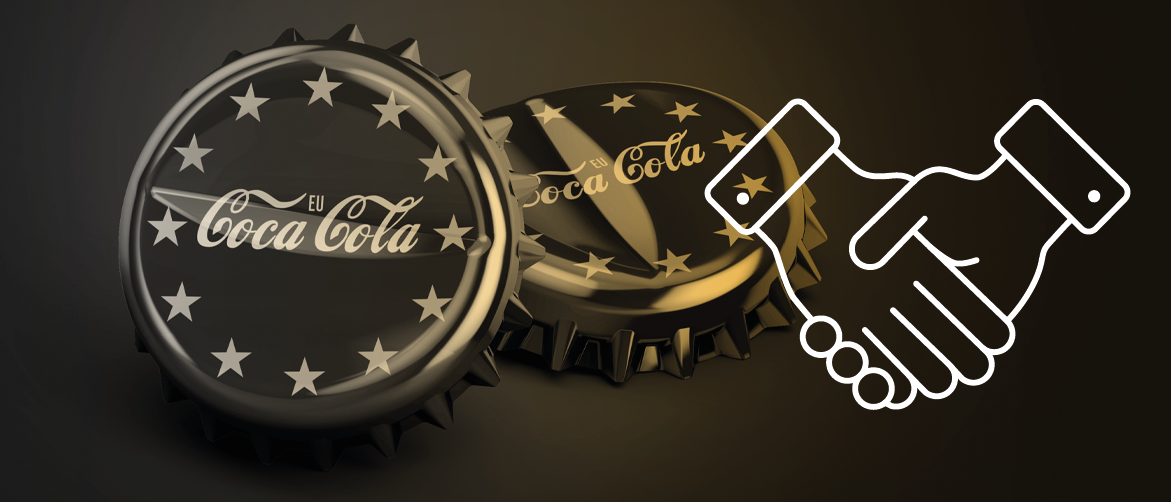
If multinational companies are able to sponsor an EU institution, were does that leave democracy and transparency? This was the concern of foodwatch when it was revealed that Coca-Cola was sponsoring the Romanian Presidency of the EU in the first half of 2019. Corporates and their lobbying armies have a disproportionate influence on decision makers across Europe and steps towards more transparency in lobbying are very slowly being introduced in the European Parliament and the Commission. The Council of the European Union remains a black box and progress on citizens’ and consumers’ rights will be a harder battle if we cannot bring transparency into this institution.
What is the solution?
There needs to be clear and binding rules on Member States to not accept any sort of sponsorship from companies. If goods or services are needed for the EU Presidency, then they should be procured in the transparent procedures for the internal market. In addition there needs to be greater transparency in the lobbying practices of companies, in particular towards the Council and its structures.
What is foodwatch doing?
foodwatch submitted a complaint to the EU Ombudsman on the case of Coca-Cola and the Romanian Presidency in June 2019. One year later the Council has conceded that it has responsibility for the Presidency and that there can be reputational risk for the EU of taking sponsorship. The Ombudsman concluded that the Council of the EU has accepted her recommendation on guidance for the Member States on the issue of sponsorship of the Presidency. She urges the Council to follow-up on the issue without delay. Germany took over the EU Presidency from July 2020 and has committed to keep it free from sponsorship.
However the battle is not over, Member States want these sponsorship-guidelines to be advisory only, and some Member States (including France who will hold the Presidency in 2022) are firmly against any limitations on their ability to accept donations from corporates. foodwatch is watching closely and will continue to put pressure until corporate sponsoring of EU institutions is banned.